Why Every Child Should Build A Personal Website In 2026
Why Every Child Should Build a Personal Website in 2026
In 2026, kids don’t just browse the internet they build it. Nowadays, a personal website is no longer optional it’s becoming the new resume for children and students. Just like professionals use LinkedIn, kids now need a digital space to showcase who they are, what they’ve learned, and what they can create.
I’ve seen firsthand how children already interact with the web, apps, videos, and images every day. What they often lack is ownership. When a child builds their own website, something shifts. They stop consuming and start creating.
A personal site becomes more than a technical exercise. It becomes a portfolio, a confidence booster, and a foundation for future development. In a world driven by technology, creativity and digital expression matter just as much as grades.
The New Resume: Creating a Student Personal Website
A student personal website acts as a living, evolving resume. Unlike paper certificates or static school records, student portfolios grow over time and reflect real learning.
I always recommend student websites because they allow students to bring together:
School projects and academic work
Creative art and design
Coding and web development projects
Blogs, reflections, and research
These student portfolios often turn into the best student portfolios because they show progress, curiosity, and effort not just final results. A child’s first website is more than a digital project it’s a bold first step into the future. It’s where curiosity meets confidence, where learning turns into creation, and where ideas finally have a place to live. When kids build websites, they don’t just learn technology they learn courage, clarity, and ownership. They learn that their voice matters, their work deserves space, and their creativity has value. In a world full of scrolling, give children something worth building. Because when kids create online, they don’t just prepare for tomorrow they start shaping it today.
A well-structured website gives children a place to document learning across subjects while developing digital confidence early.
The New Resume: Why a Student Personal Website Matters More Than Ever
I’ve been amazed watching kids today interact with technology, apps, web pages, videos, and images daily. But too often, they don’t have a space to create their own presence online. That’s why I’m convinced that a student personal website in 2026 is the new resume. It allows children to showcase their projects, school projects, and academic achievements in a way no piece of paper ever could.
When kids build their own website, they learn not just coding skills but also confidence, creativity, and a sense of ownership. A personal site becomes a living portfolio that grows over time, documenting their journey and skills. I love seeing students take pride in their student portfolios, transforming them into some of the best student portfolios they could ever have.
Building a website teaches children key concepts of web design, front end development, and user interface thinking. They see how programming languages, HTML, CSS, and cascading style sheets come together to form a functional web page. This is real computer science learning in a fun, kid friendly, and beginner friendly environment.
Showcasing Achievements in a Digital-First World
We live in a digital-first world, and kids need to learn how to present themselves clearly, responsibly, and confidently online. A personal website helps them practice these skills in a guided, intentional, and age-appropriate way from the very beginning.
Through a personal web page, children can showcase coding projects, science experiments, blog writing, videos, interactive presentations, and creative storytelling. This builds communication, reflection, and storytelling skills that support both academic and personal growth.
From my experience, once kids publish work on a site, they take greater pride in the process. They think more deeply, explain ideas better, and start seeing themselves as capable creators rather than passive learners.
Choosing the Right Platform: Website Builder for Kids vs. Hard Coding
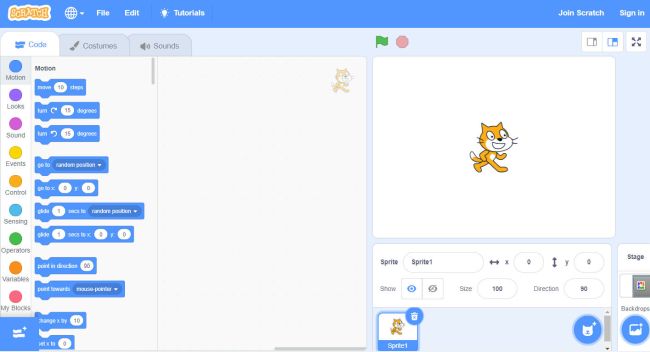
Not every child needs to jump straight into complex programming, and that’s completely okay. The key is choosing the right entry point that matches their age, interests, and confidence level without creating unnecessary pressure or fear around learning technology.
A website builder for kids is usually the best starting point. It is beginner friendly, kid friendly, and visually intuitive, allowing children to focus on creativity, layouts, and storytelling before worrying about syntax or errors.
As interest grows, introducing web development, programming languages, and computer science concepts helps kids understand how the internet actually works. The goal is never speed it’s comfort, curiosity, and steady confidence-building.
When to Use Drag-and-Drop vs. Writing Code
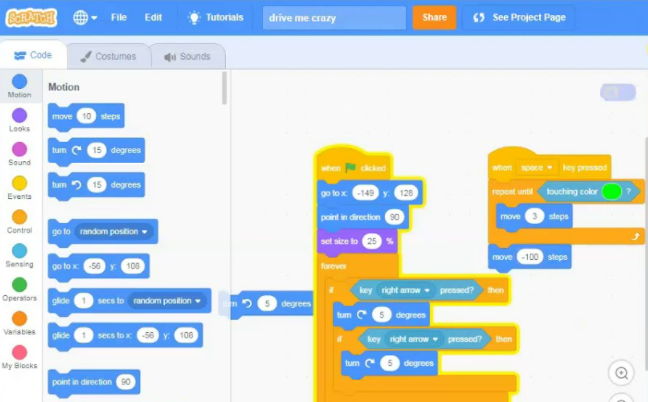
Drag-and-drop tools help kids learn design skills, user interface basics, user experience design, and visual layouts without frustration. These tools help children see immediate results, which builds motivation and excitement to keep learning.
With web design, students can integrate art, videos, blog posts, and interactive content into pages that tell their story. Even small touches like images, links to resources, or simple coding snippets help them understand how a site functions. Over time, these student portfolios can become some of the best student portfolios a true showcase of both design skills and technical understanding.
I’ve seen how building a personal website helps kids connect with their learning in new ways. They learn web development basics while reflecting on school projects. Each new page, layout, or embedded video teaches patience, planning, and attention to detail. They also get to practice user interface and user experience design, thinking about what visitors will see and how they’ll interact with the site.
Creating a student personal website introduces children to key concepts in computer science, including HTML, CSS, cascading style sheets, programming languages, and front end development. This isn’t just about tech it’s about teaching problem-solving, creativity, and digital literacy. A well-crafted portfolio also helps children begin to focus on their interests, connect with communities, and explore future development opportunities.
As children grow, learning html, css, and cascading style sheets introduces them to front end development. They start understanding how a web page is structured and how links, images, and features work behind the scenes.
These coding skills strengthen logic, creativity, and problem-solving essential key concepts in modern development. Even basic exposure builds a strong foundation for future technical learning..
Integrating Web Design Education into Daily Learning
One reason I strongly advocate websites for kids is how naturally they fit into everyday education. Website creation doesn’t replace school learning it enhances it by making lessons more engaging and practical.
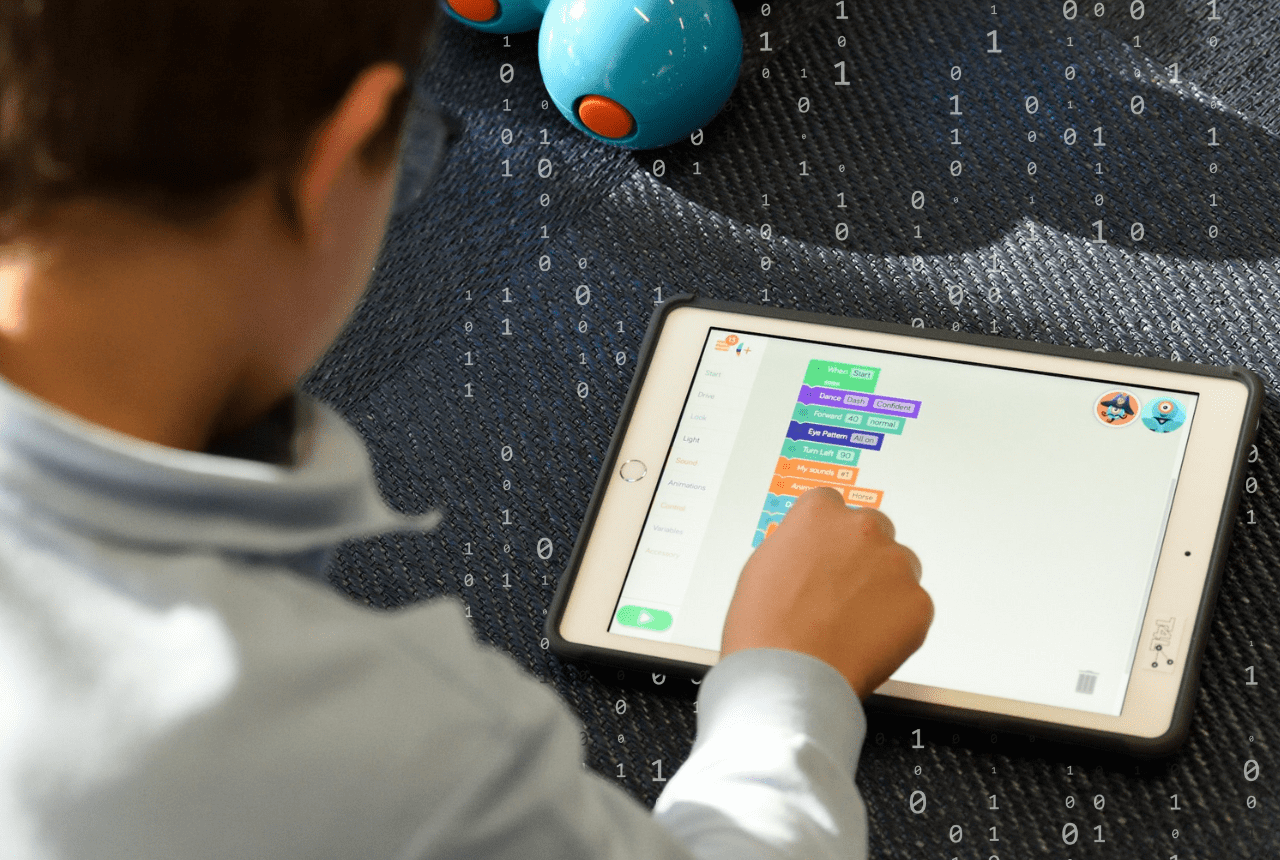
Web design supports English writing, creative art, STEM logic, and research-based school learning. Students learn to organize ideas, structure content, and present information clearly across multiple subjects.
Many teachers now use classroom website assignments to turn lessons into meaningful school projects. A website becomes an accessible space where students combine text, images, videos, links, and interactive elements in one cohesive format.
Digital Citizenship: Teaching Safety and Privacy Early
Personal websites are one of the safest and smartest ways to teach digital responsibility early. Instead of reacting to mistakes later, kids learn thoughtful online behavior in a controlled, supportive environment.
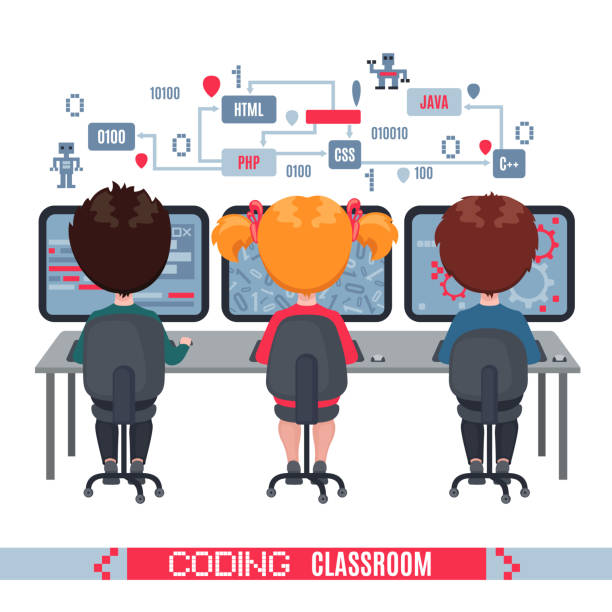
Children learn what information to share, how to manage access, respect privacy, and communicate ethically online. These lessons help them understand digital boundaries and responsibility from a young age.
Using controlled accounts, privacy settings, or a custom domain allows families and teachers to guide kids safely. These experiences prepare children for healthy participation in digital communities as they grow older.
When I first started introducing students to the web, I quickly realized that not all kids need to start with code. A website builder for kids is kid friendly, beginner friendly, and allows children to focus on design skills, layouts, and user interface before worrying about programming languages or cascading style sheets. These tools help students create their own website, learn interactive content placement, and experiment with pages, images, and videos in a safe environment.
At the same time, web development for kids teaches deeper coding skills and front end development concepts. Kids learn the basics of HTML, CSS, and programming structure. They understand how a web page is built, how elements function, and how interactive content is embedded. Learning these key concepts early gives students a foundation in computer science while keeping the process fun and exploratory.
I love how flexible these platforms can be. A child can start with a website builder for kids and gradually move into web development for kids. The same site evolves from a simple portfolio to a technically rich student portfolio website, showing not only academic achievements but also design skills, creative thinking, and coding skills.
How a Portfolio Website Boosts College and Career Readiness
A strong portfolio website helps children prepare for the future without pressure or unrealistic expectations. It focuses on skill-building, curiosity, and confidence rather than early competition.
Through website creation, kids develop initiative, creativity, communication, and problem-solving abilities that are essential in modern technology and professional environments. These skills grow naturally over time through real practice.
Building a personal site for children today is easier than ever thanks to modern apps and web development tools. I always tell parents that starting small is key. Using a beginner-friendly app, kids can start building simple pages that include their design, images, and even basic interactive content. For me, the best part is that this makes learning tangible children see how their site grows in real time as they experiment with layouts and design elements.
One great example I often share is a student who used an app to create a personal site documenting her school projects. She included a section for each course, embedded videos, and added interactive content to make it engaging. Through this process, she learned fundamental web development principles while understanding how thoughtful design improves user experience. The app made it fun and accessible, letting her iterate quickly without feeling overwhelmed.
I also love how many kids offers and platforms make this journey accessible to families. For example, some apps include templates, tutorials, and guided courses so children can start building their own site while learning web development step by step. This combination of structured courses and creative freedom allows children to explore design, test ideas, and showcase their skills. The result is not just a site, but a portfolio that demonstrates initiative, creativity, and technical understanding.
Finally, integrating a personal site into daily learning transforms traditional projects into something accessible and exciting. Children can link each course, document outcomes, and even embed small apps or interactive tools that highlight web development and design thinking. A simple example is adding a custom quiz or a photo gallery, which reinforces design concepts and helps kids start building confidence. With kids offers from online platforms, learning web development becomes more than an abstract idea it becomes a personal, hands-on experience with a tangible, creative site as the outcome.
Colleges, programs, and even business environments increasingly value authentic projects. Websites also help kids understand how courses, free resources, and even paid courses fit into lifelong learning paths.
Conclusion
In 2026, every child deserves a digital space they truly own one that reflects their interests, ideas, and creativity. A personal website gives them that space with purpose and direction. When I guide kids to create their first site, the right tools make all the difference. Using beginner-friendly tools, children can experiment with layouts, add images, and design interactive pages without feeling overwhelmed. For me, seeing a child confidently sign in to their site for the first time is the clearest sign that they’re taking ownership of their learning journey. The experience of using tools to build, customize, and explore, and then sign into a site they created themselves, is the ultimate sign of growing independence and creativity.
When kids build a website, they learn far more than coding or design. They learn confidence, responsibility, communication, and how to connect learning across subjects and experiences.
I genuinely believe that helping children build their own website shifts them from passive users of the web to confident creators within it. That shift from consumer to creator is one of the most valuable life skills we can offer. Platforms like Codeyoung play an important role in this journey by offering structured, kid-friendly programs where children learn coding, web design, and digital creativity through guided projects, supportive mentors, and real-world applications. Codeyoung helps kids explore technology with confidence while building skills that matter for the future.
Comments
Your comment has been submitted